Future Perfect Tense
In these lessons, we will learn
- how to form the Future Perfect Tense
- when to use the Future Perfect Tense
- how to form negatives in the Future Perfect Tense
- the differences between the present perfect tense, past perfect tense and future perfect tense
Related Pages
Future Tense
Future Continuous Tense
More Lessons on English Grammar
IELTS, TOEFL and English as a Second Language
Verbs have different forms, called tenses. The tense of a verb tells us when the action happens.
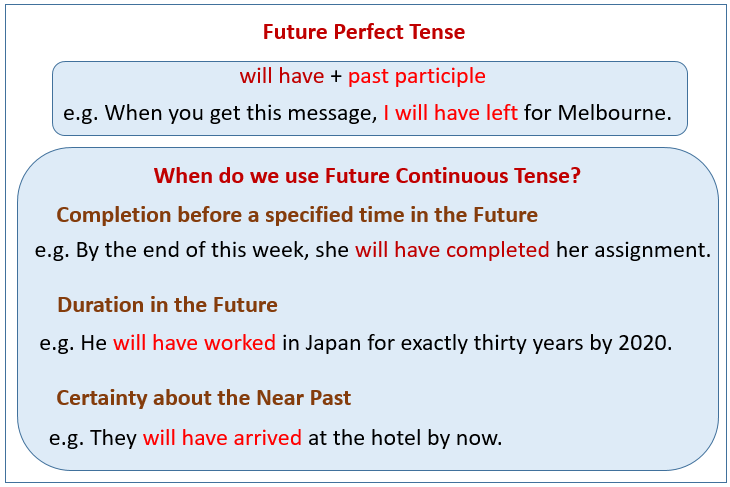
The following diagram shows examples of when to use the Future Perfect Tense. Scroll down the page for more examples on how use the future perfect tense.
Forming the Future Perfect
The future perfect consists of two verbs: helping verb (will have) and main verb (past participle).
will have + past participle = future perfect
When to use the Future Perfect Tense
The future perfect takes place before another action in the future.
Example:
When you get this message I will have left for New York.
I hope that I will have finished my work before the weekend.
By the end of the month, she will have completed the English course.
Forming the Negative
We form the negative by adding not between the helping verb will and have.
will + not + have + past participle
Contraction (or short form):
will not = won’t
Examples:
Simon will not have arrived before 8 pm tonight.
By the end of this month I won’t have completed this project.
Differences between the present perfect tense, past perfect tense and future perfect tense
| Tense | Form |
| present perfect tense | has/have + past participle |
| past perfect tense | had + past participle |
| future perfect tense | will have + past participle |
The present perfect connects the past with present.
The past perfect takes place before another action in the past.
The future perfect takes place before another action in the future.
Examples:
Since last Tuesday, I have woken up early. (present past tense)
Before this week, however, I had never woken up so early. (past perfect tense)
By the end of this week I will have woken up early four times. (future perfect tense)
The following video examines the use of perfect tenses in both the simple and continuous aspect - past, present and future forms.
In grammatical terms, perfect tenses are used to refer to completed or finished events.
How to make and use the future perfect tense?
will + have + the past participle.
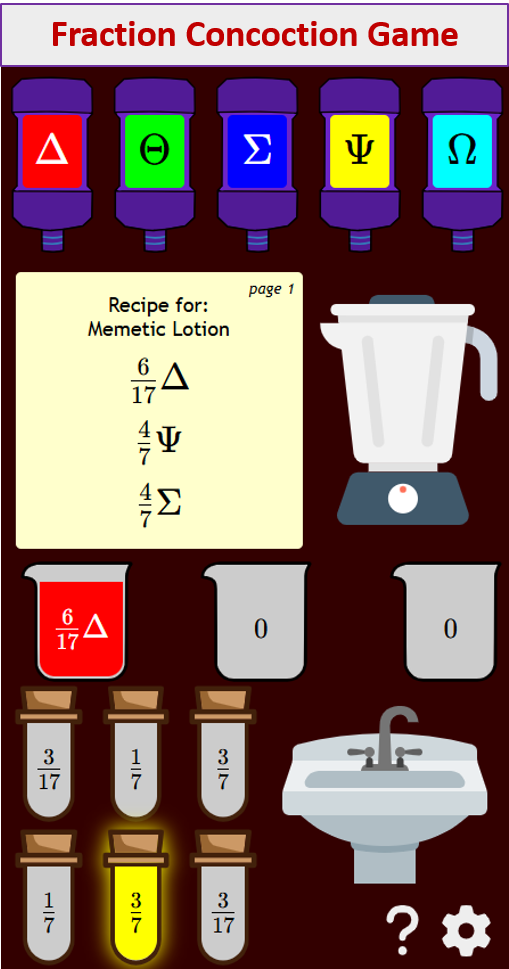
Try out our new and fun Fraction Concoction Game.
Add and subtract fractions to make exciting fraction concoctions following a recipe. There are four levels of difficulty: Easy, medium, hard and insane. Practice the basics of fraction addition and subtraction or challenge yourself with the insane level.
We welcome your feedback, comments and questions about this site or page. Please submit your feedback or enquiries via our Feedback page.