Comparative Adjectives
In these lessons, we will learn the rules to make an adjective into a comparative adjective.
Related Pages
Demonstrative Pronouns
Superlative Adjectives
English Adjectives
More English Lessons
We use comparative adjectives to describe and compare two nouns or pronouns. We use superlative adjectives to describe and compare three or more nouns or pronouns.
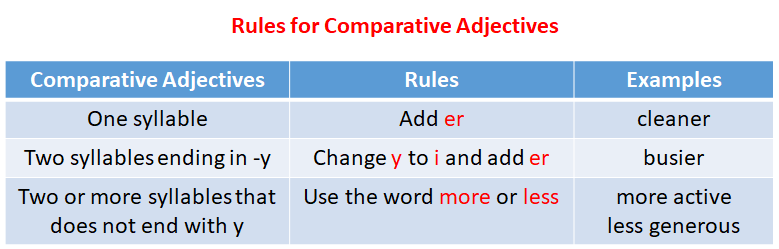
The following table gives the general Rules for Comparative Adjectives (there are some exceptions). Scroll down the page for more examples and explanations.
Rules for Comparative Adjectives
Rule 1: When an adjective consists of one syllable add er to the end to make it a comparative adjective.
Examples:
| Comparative | |
| clean | cleaner |
| dark | darker |
| thick | thicker |
| soft | softer |
| warm | warmer |
| neat | neater |
| broad | broader |
| tall | taller |
| old | older |
Exception to Rule 1: If the one syllable adjective ends with a consonant-vowel-consonant we need to double the last consonant before adding the er. However, if the last consonant is a w then we follow rule 1 instead.
Examples:
| Comparative | |
| big | bigger |
| dim | dimmer |
| fat | fatter |
| fit | fitter |
| flat | flatter |
| few | fewer |
| slow | slower |
| low | lower |
Rule 2: When a two syllable adjective ends with y we need to replace the y with an i and then add the er.
Examples:
| Comparative | |
| busy | busier |
| dirty | dirtier |
| easy | easier |
| funny | funnier |
| noisy | noisier |
| happy | happier |
| heavy | heavier |
| lovely | lovelier |
Rule 3: For an adjective with two or more syllabus (that does not end with y), we use add the word more or less in front of the adjective.
Examples:
| Comparative | |
| active | more active, less active |
| careless | more careless. less careless |
| famous | more famous. Less famous |
| cheerful | more cheerful, less cheerful |
| beautiful | more beautiful, less beautiful |
| generous | more generous, less generous |
| intelligent | more intelligent, less intelligent |
| valuable | more valuable, less valuable |
Exceptions: There are some adjectives that have irregular comparative forms.
Examples:
| Comparative | |
| good | better |
| bad | worse |
| many | more |
| much | more |
| little | less |
| far | farther |
How to use comparative adjectives?
How to form comparative and superlative adjectives?
This video shows the following:
For one syllable words we form the comparative and the superlative by adding “er” and “est” to the end of the word.
For two syllable words ending in “y” we change the “y” to “i” before adding “er” and “est”.
For other adjectives with two or more syllables we put “more” before the comparative and “most” before the superlative. We use the word “than” for the comparative and the definite article for the superlative.
There are a few exceptions to these rules. Good and well have the same comparative and superlative forms. The comparison for bad is worse and the superlative is worst. Much and many have the same comparative and superlative forms.
Forming And Spelling Comparative Adjectives
Popular Ways We Use Comparative Adjectives
Learn several important and popular ways to use comparative adjectives in English.
Common Mistakes with English Comparatives and Superlatives
This video will be a review of comparative and superlative adjectives and adverbs. We will take a look at exceptions and common mistakes. Then we will end with a quiz to test your understanding.
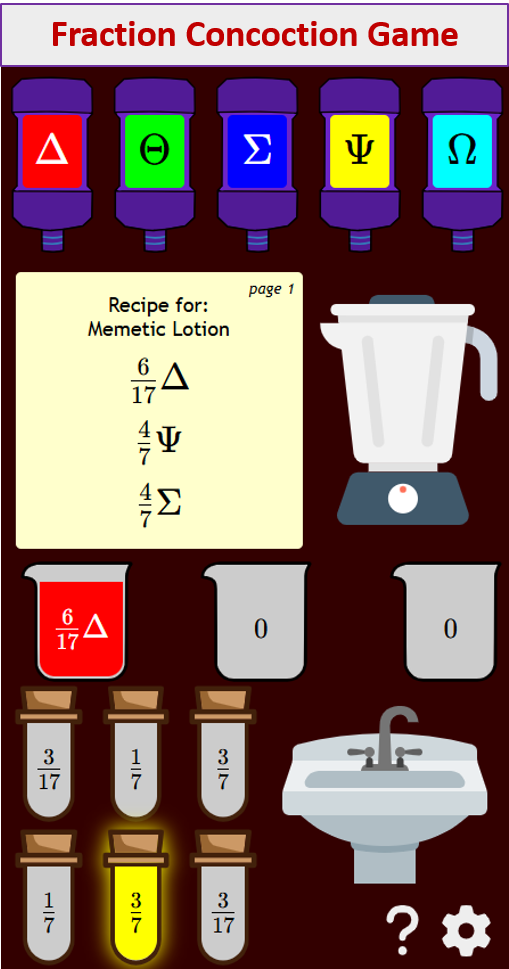
Try out our new and fun Fraction Concoction Game.
Add and subtract fractions to make exciting fraction concoctions following a recipe. There are four levels of difficulty: Easy, medium, hard and insane. Practice the basics of fraction addition and subtraction or challenge yourself with the insane level.
We welcome your feedback, comments and questions about this site or page. Please submit your feedback or enquiries via our Feedback page.